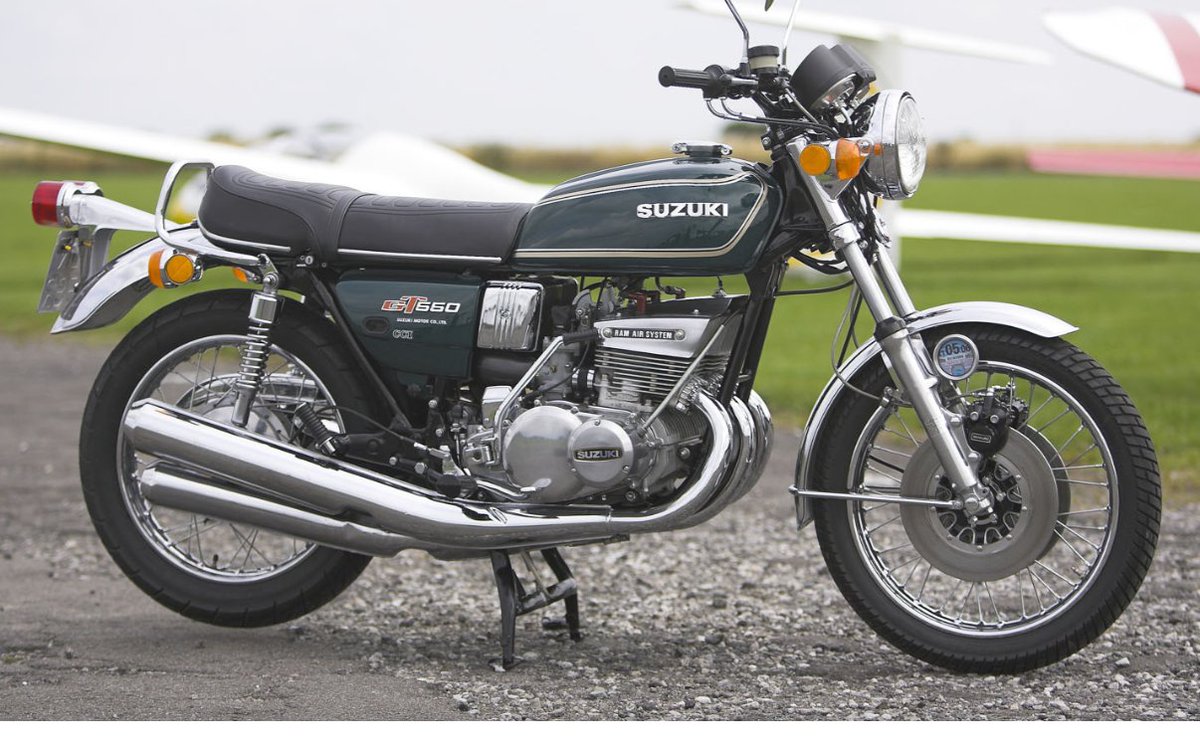
High performance bikes make up a tiny fraction of global motorcycle sales. As Honda have pointed out, no Super Cub (sales < 100m), no Fireblade. And yet…

.… the ongoing production of sportsbikes, never mind race bikes, tells us that manufacturers appreciate their symbolic significance. If a machine manages to engage the collective soul of Planet Bike, its value in brand recognition alone justifies its existence, almost irrespective of sales figures. But iconic status is hard won. Just ask Suzuki, whose products have achieved it more than once: the GSXR 750, the Hayabusa, the K5. Since then, nothing. To be fair though, it’s hard to think of many Japanese bikes post 2005 which have have ticked that exclusive box. One contender – the late, lamented ZZR 1400 – had its design genesis in a period (around the millennium) when Kawasaki were in a similar position to the one Suzuki find themselves in now.
But Kawasaki did something extraordinary – something very Japanese, and thus incomprehensible to their non Japanese rivals. They publicly apologised for the blandness of their range. This confession marked the start of a revolution, which begat the reborn Z1000, ZX6 (2003) and ZX10 (2004), the latter being about as far from bland as it’s possible for any motorcycle to get. In recent years, some urged Suzuki to declare their own year zero, since the much loved brand’s line up had become a by-word for tedium. There were still some cracking bikes in the range, but in comparison with the competition, the perception remained that they just weren’t cutting it. And we all know the importance of market perception.
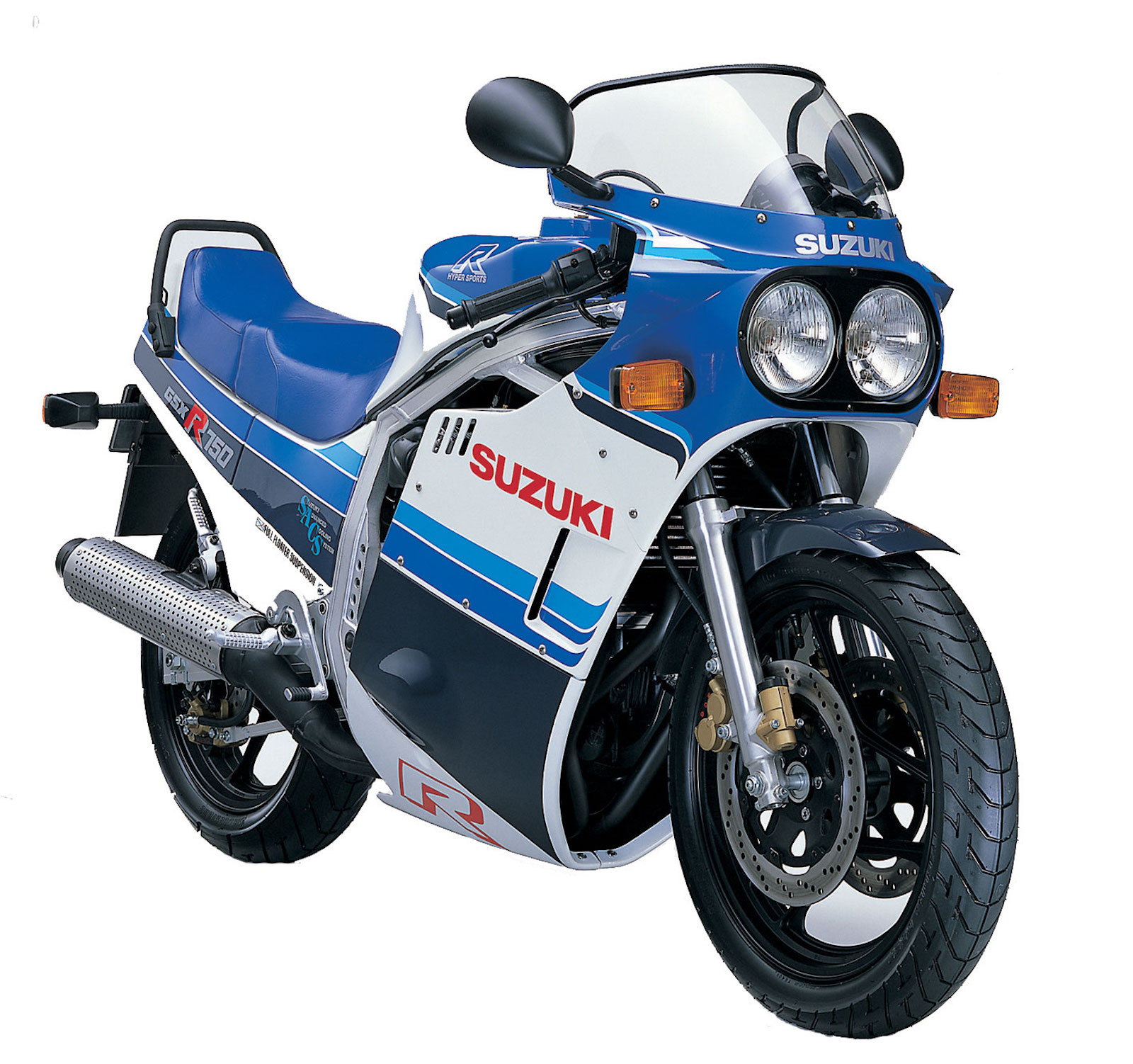
But here’s the thing. The range may still have all the appeal of a mid priced used car forecourt, but elsewhere things have been moving. Fast. The 2020 GSXR 1000 won the FIM Endurance Championship. In MotoGP, Suzuki currently lead both the constructor’s and rider’s standings, and its skinny odds that they’ll have landed at least one of them by the time you read this.
In other words, of the two FIM championships the marque has seriously dedicated itself to, one is in the bag and the other is on the counter (along with a very tasty side order). As a bonus, a GSXR 1000 in the hands of Cameron Petersen destroyed the field to land the 2020 AMA superstock championship, a very useful title in a traditionally important territory for Suzuki.
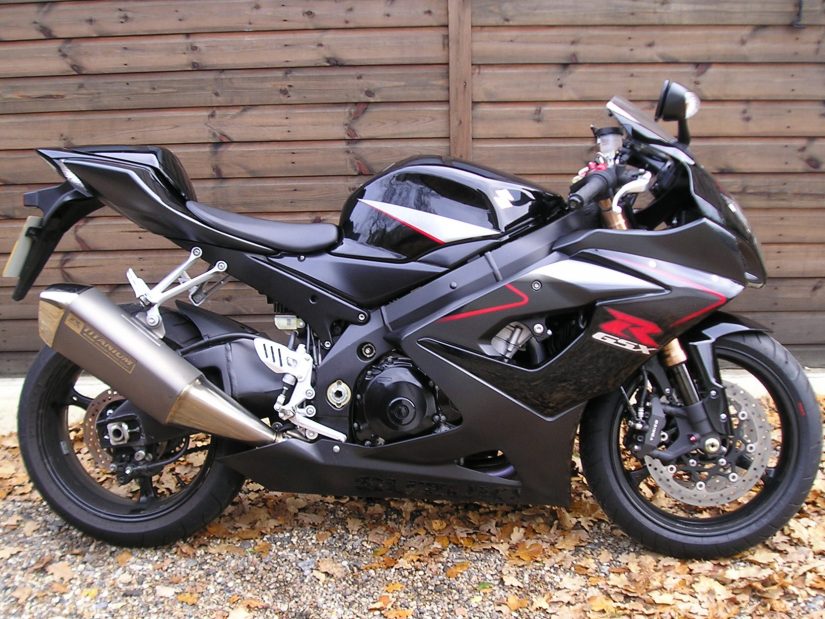
You could argue that none of this has much relevance to showrooms, but in terms of brand recognition it certainly ticks a box. Perceived wisdom among GP watchers as recently as the beginning of this strange year was that the days of inline four GP superiority had undergone near terminal fade. But Suzuki’s presiding genius has long resided in that configuration, and the fact that they had dumped their V4 regime in favour of developing the IL4 GSX-RR will make this year’s success especially sweet. The GP motor obviously has relatively little in common with the street GSXR powertrain, but it’s a perfect fit with the brand’s historical associations. Winning the blue riband series with a bike which bears at least some resemblance to your premium production sportsbike can never do sales any harm, and there is a developing consensus that the current GSXR 1000 is very near top of the class when it comes to road riding, with a smooth spread of power, plenty of room and an affordable price tag for the class. If any bike in their range benefits from track success, that will be the one. But will it be enough to change the problematic showroom image?
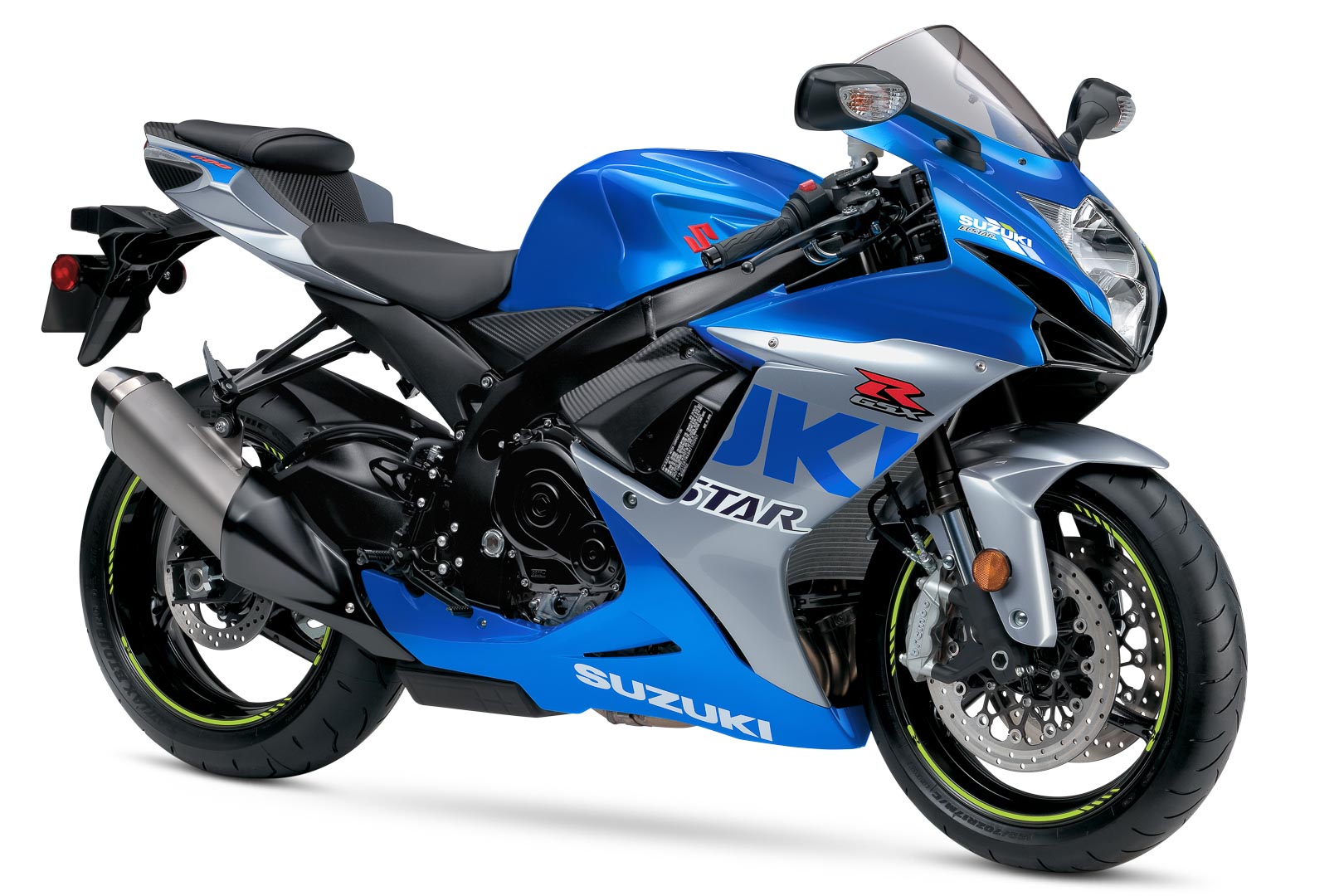
2020 was also the final sales year for the bike that finally slayed the Busa, Kawasaki’s awesome ZZR 1400, a machine moving ever closer to its own legendary status. The Busa meanwhile has been taking an emissions enforced sabbatical from the Hamamatsu production line, pending a new incarnation in 2021. With the ZZR no longer in the frame, this presented a fantastic opportunity for Suzuki to re-assert themselves at the high performance end of the market.
However, the signs are that their ambitions in this regard have been toned down. The new Hayabusa will be the old Hayabusa, with modern electronics, Euro 5 compliance, and enough of a capacity increase to keep pace with the 200 bhp club. While the jury is out on the suspension spec, the frame and overall body shape remain the same. Whether all this will be enough to blow minds in the way it’s antecedent did all those years ago remains open to question.
The point being that when you’re well behind the curve, you need to blow a few minds: safe re-hashing will not be enough, this year’s remarkable GP exploits notwithstanding. Suzuki patented a camshaft with solenoid actuated lobe pairs in 1991 (yes BMW), and the centrifugal valve timing on the current GSXR 1000 works wonderfully smoothly, leaving no troughs on the dyno chart, thus distinguishing it from some of its competitors. No one has ever doubted Suzuki’s engineering competence, and innovation in that department should be the corner stone on which the brand rebuilds. This, after all, is the firm that gave us water cooled two stroke triples, the first of the GS IL4 range, gorgeous undersquare (ram) air cooled strokers, and a rotary – all of which were available in the same year (1977). When they also took the 500cc world title back to Hamamatsu, courtesy of Barry Sheene. Here’s hoping their new world title proves as inspirational off the track as on it.